

big mirror with lights
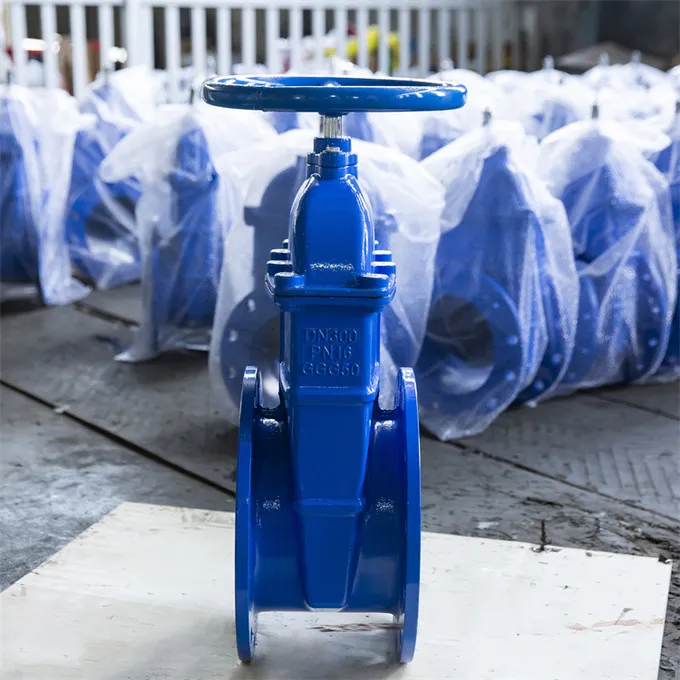
Understanding the Importance of Opening Water Valves in Efficient Hydraulic Systems Water valves are critical components in various hydraulic systems, ensuring the proper flow and management of water in residential, commercial, and industrial applications. The act of opening a water valve may seem trivial at first glance, yet it plays a significant role in maintaining efficiency, safety, and functionality in numerous contexts. This article explores the importance of opening water valves, the different types available, and best practices for managing them effectively. At its core, a water valve controls the flow of water through pipes. When we refer to “opening a water valve,” we typically mean allowing water to flow freely into a system, whether for irrigation, plumbing, or industrial usage. In plumbing, for instance, opening the main water valve can lead to the activation of various fixtures around the house, such as faucets, washing machines, and dishwashers. Proper management of these valves is essential to ensure all systems operate smoothly, avoiding leaks and water wastage. Understanding the Importance of Opening Water Valves in Efficient Hydraulic Systems There are various types of water valves that serve distinct purposes. The most common include gate valves, globe valves, ball valves, and check valves. Each type has its advantages and specific application scenarios. For example, gate valves are often used for applications where minimal pressure drop is required, as they allow for a straight-line flow. In contrast, ball valves are well-known for their durability and ability to provide a tight seal, making them ideal for applications requiring complete shutoff. open water valve It is vital to note that opening water valves should be done with caution. Improper handling can lead to water hammer—a phenomenon caused by a sudden change in water flow that can cause significant pressure surges. This may result in damaged pipes and fittings, leading to costly repairs and water damage. To mitigate these risks, it is essential to open valves gradually and monitor the system’s response. Moreover, regular maintenance of water valves is crucial for their longevity and functionality. Over time, debris can accumulate within the valve or pipeline, causing blockages that impede water flow. Regular inspections and cleanings can help prevent these issues and ensure that when a valve is opened, it operates without complications. Additionally, checking for leaks around valve seals can help maintain the health of the overall plumbing system and conserve water. Another key aspect to consider is the role of water valves in emergency situations. Knowing how to quickly open or shut off water valves can be crucial in preventing significant property damage during leaks or burst pipes. Homeowners and facility managers should familiarize themselves with the locations and functions of all water valves in their systems. Regular drills can also prepare individuals to act swiftly in case of an emergency, reducing the risk of severe water damage and related hazards. In industrial settings, the importance of proper valve management is even more pronounced. Here, water valves are often part of larger systems involving chemicals or specialized liquids. The ability to control flow rates meticulously can be vital to maintaining safety and efficiency in industrial processes. Therefore, extensive training on valve operation and the implications of opening and closing them is imperative for operators. In conclusion, while the act of opening a water valve might seem simple, its implications are far-reaching. It is essential for controlling water flow, preventing damage, managing resource usage, and ensuring the smooth operation of various systems. By understanding the different types of valves, embracing best practices for their use, and prioritizing maintenance, individuals and organizations can harness the benefits of water valves effectively. Whether in a residential setting or an industrial application, the prudent management of water valves is fundamental to both efficiency and safety.
about
big mirror with lights
The Importance of Metal Valves in Industrial Applications Metal valves play an essential role in various industries, serving as critical components for regulating the flow of fluids and gases in pipelines, machinery, and systems. Their design and functionality significantly influence operational efficiency, safety, and durability in process applications. In this article, we will explore the various types of metal valves, their applications, and why they are indispensable in today's industrial landscape. Metal valves come in various types, each serving specific functions and industries. The most common types include gate valves, globe valves, ball valves, butterfly valves, and check valves. Gate valves are often used for on/off control, allowing or blocking flow completely, while globe valves are preferred for throttling services due to their ability to control flow rates effectively. Ball valves are favored for their quick operation, often completing a quarter turn to open or close. Butterfly valves are lightweight and compact, making them suitable for large volume pipe systems. Lastly, check valves, also known as non-return valves, allow fluid to flow in one direction while preventing backflow, thus protecting pumps and other equipment. The materials used for metal valves vary based on the specific requirements of each application . Common materials include stainless steel, carbon steel, cast iron, and various alloys. Stainless steel valves, for instance, are renowned for their corrosion resistance and durability, making them ideal for chemical processing and marine applications. On the other hand, carbon steel valves are often used in industries where cost-effectiveness is a priority, provided that the operating conditions do not involve corrosive substances. metal valve Metal valves are pivotal in numerous industries, including oil and gas, water treatment, power generation, and food and beverage. In the oil and gas sector, valves control the flow and pressure of fluids within pipelines, ensuring safe and efficient transport. Water treatment plants utilize metal valves to regulate the flow of water during purification processes, essential for delivering clean water to communities. In power generation, valves play a critical role in managing steam and water flows in turbines and boilers, directly impacting efficiency and output levels. Additionally, in the food and beverage industry, sanitary metal valves ensure that products remain uncontaminated during processing and packaging. Safety is another crucial aspect of metal valves. In high-pressure applications, such as those found in oil refineries and chemical plants, the failure of a valve could lead to catastrophic results, including leaks, explosions, or environmental disasters. Therefore, adhering to stringent manufacturing standards and regular maintenance protocols is vital to ensure that metal valves function correctly and remain reliable over time. In conclusion, metal valves are indispensable components that underpin the functionality and safety of various industrial processes. Their diverse types and robust materials cater to a wide array of applications, making them critical for efficient operations in many sectors. As industries continue to evolve and demand more advanced solutions, the importance of high-quality metal valves remains at the forefront of engineering and manufacturing practices. Investing in the right type of metal valve is not just an operational decision; it is a commitment to safety, efficiency, and long-term success in any industrial endeavor.
-

High quality industrial productsagement

High quality industrial products
View Details -

Meet the diverse needs of customers

Meet the diverse needs of customers
View Details -

Strict quality control

Strict quality control
View Details -

Top raw materials

Top raw materials
View Details -

Trusted supplier

Trusted supplier
View Details
Our application


news and information
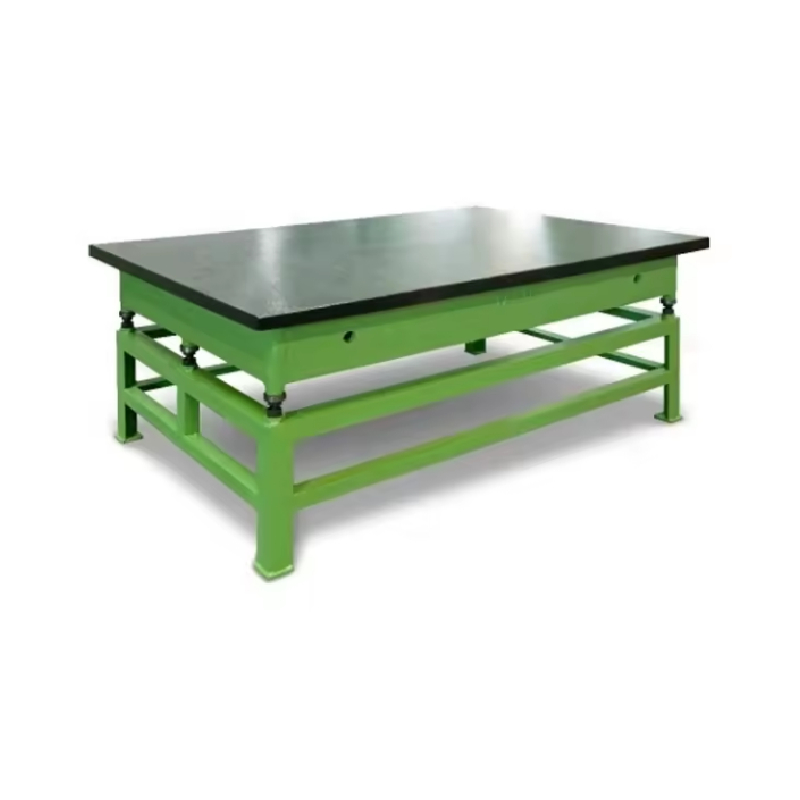
Welding and Fabrication Tables Available for Purchase Online
welding fab table for sale .
Valvola di ritegno da 4 pollici
La valvola di ritegno da 3 4 pollici è un componente essenziale nei sistemi idraulici e pneumatici.
Van cầu Trung Quốc
Van cầu glob tại Trung Quốc Một cái nhìn tổng quan Van cầu glob là một loại van điều khiển lưu lượng
 English